*Special offer valid for patients paying in cash at time of service. New patients only.

Dental Sealants in Westchase, FL

A cavity in your child’s back teeth often starts in a place you can’t easily see or just brush away. The molars have small grooves and pits on their chewing surfaces, and food particles and bacteria can settle into those grooves where your toothbrush can’t get to them. For many families in Westchase, this means a child can be brushing regularly and still develop a cavity in that first or second molar, simply because the deepest part of the tooth is harder to clean than it looks.
Locally owned and operated in Westchase
Quick sealant visits for children and adults
Over a decade of experience, U.S. Army dentist and current Army reservist
PPO insurance accepted, payment plans available

New patients welcome. Call today to ask about dental sealants, insurance, and payment plans, or book online anytime.

Designing Smiles offers dental sealants through our preventive dentistry services as a simple, protective step for kids and some adults too whose molars are at higher risk for decay. Our team places sealants right here at our Westchase Commons office at 13017 W Linebaugh Ave, and we build each visit around whatever pace helps your child feel comfortable in the chair. We treat sealants as one small part of a bigger picture for helping your family stay ahead of cavities instead of treating them after the fact.

What Dental Sealants Do

A dental sealant is a thin coating painted directly onto the chewing surface of a molar. Once it hardens, the sealant fills in the tooth's natural grooves and creates a smooth barrier that keeps food and bacteria from settling into those hard-to-clean spaces. The CDC reports that dental sealants can prevent 80% of cavities over two years in the back teeth, where 9 in 10 cavities occur, which is why we recommend them for many of our younger patients as soon as their permanent molars come in.

Sealants are not a replacement for brushing, flossing, or dental cleanings. They work alongside those habits as an added layer of protection in the spots a toothbrush bristle can struggle to reach. A tooth with a sealant is still a tooth that needs regular care, though the sealant gives it a better chance of staying cavity-free between visits.

Book Now
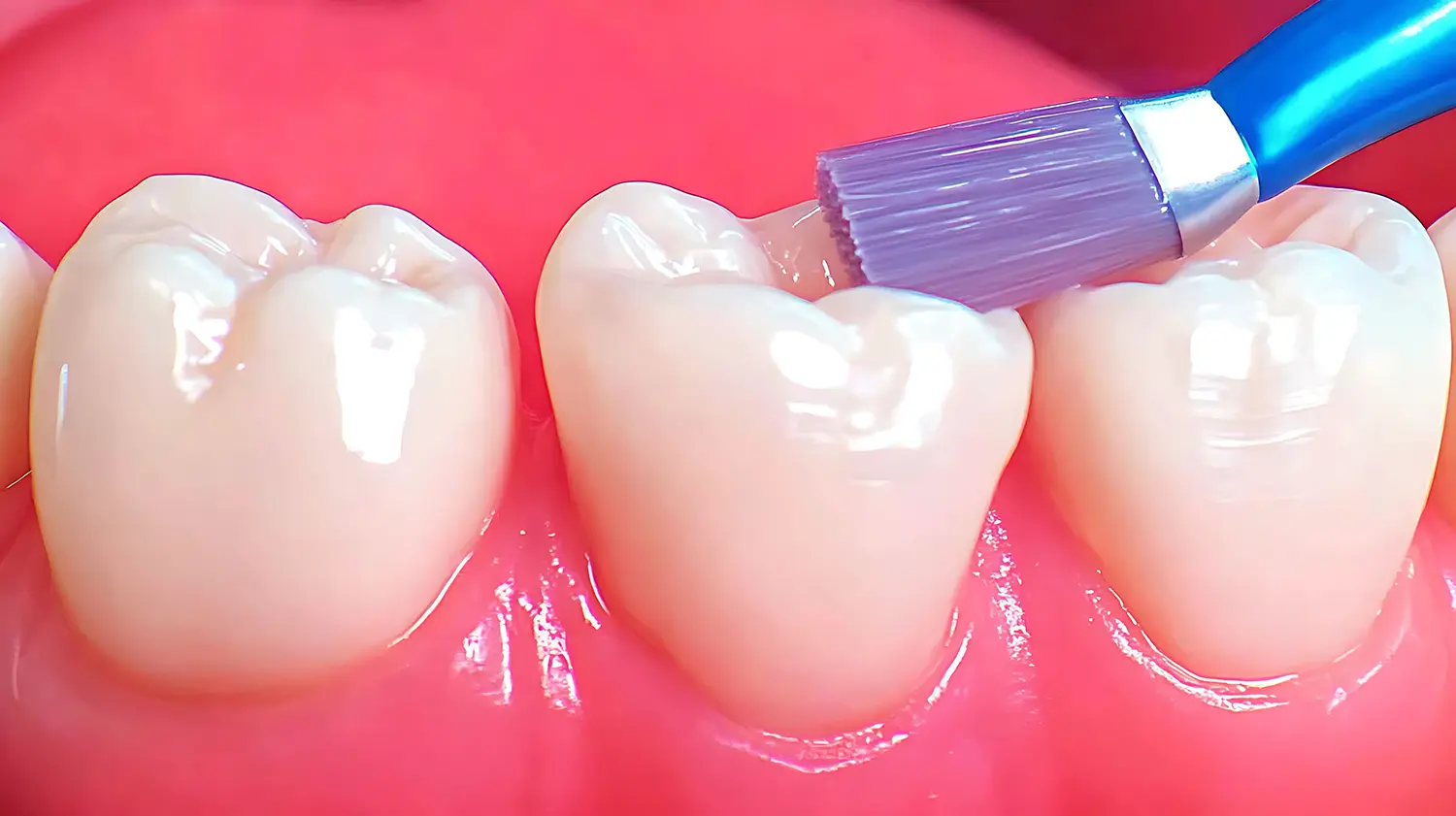
Close-up of a small brush painting sealant onto the chewing surface of a back tooth

Who Benefits Most From Sealants?

Children and Teens

Sealants are most commonly placed on kids around the time their six-year molars and 12-year molars erupt, since newly emerged teeth tend to have the deepest grooves and the least wear. The CDC also notes that school-age children between the ages of 6 and 11 who don't have sealants have almost three times as many cavities in their first molars as children who do. That’s exactly why sealants are often in our recommendations during family dentistry checkups and pediatric dentistry visits, particularly for kids who snack often or have a harder time reaching every surface with a toothbrush.

Adults

Adults can benefit from sealants as well, especially if their molars have deep grooves and no history of fillings or decay in that tooth. Someone who made it through childhood without needing a sealant might still be a good candidate later on, especially if their risk for cavities has changed. We look at each patient's mouth individually rather than applying a blanket rule based on age alone, since two people at the same age can have very different needs.

What to Expect During a Sealant Visit

Placing a sealant is quick and doesn’t require numbing or drilling in most cases, which makes it an easy addition to a routine visit. Here is what the process generally looks like at our Westchase office:

1
Clean and dry

We clean and dry the tooth to prepare the surface.

2
Etch

We apply an etching solution that helps the sealant material bond.

3
Paint and cure

We paint on the liquid sealant and use a curing light to harden it in place.

Most molars take just a few minutes each, and your child can eat and drink normally once we're finished. We also pair sealant visits with fluoride treatments when appropriate, since the two work well together as part of a broader prevention plan built around your child's specific needs.

How Long Sealants Last

Sealants hold up well under normal chewing and can last for several years before they need to be checked or reapplied. We look at the condition of existing sealants during regular hygiene visits, since a sealant that has worn thin or chipped away no longer provides full protection. If we notice wear, reapplying a sealant is a simple process, similar to the original placement, and it usually does not take long at all.

Keeping up with regular visits is the easiest way to make sure sealants, and the teeth underneath them, stay in good shape. Missing a checkup or two is common with busy family schedules, but it does mean a worn sealant could go unnoticed longer than we would like. A quick check at each visit helps us catch that early, before a small gap in coverage turns into a new cavity.

Sealants as Part of a Bigger Prevention Plan

We think of sealants as one piece of a larger approach to keeping teeth healthy over the long run, rather than a single fix that stands on its own. Combined with regular cleanings, fluoride, and good habits at home, sealants give your child's molars a stronger head start against decay during the years when cavities are most common.

Our goal is to make prevention feel manageable rather than overwhelming, especially for parents juggling multiple kids' schedules alongside their own. A short sealant appointment now can help avoid a longer, more involved visit down the road, which is part of why we bring it up early with families who are already coming in for cleanings or checkups.

Dental Sealant Questions

Here are answers to common questions about dental sealants.

Do dental sealants hurt?
Applying sealants is a quick process, and it is generally painless because the coating is painted on the surface of the tooth. Tell us if you feel any discomfort during your visit.
How long do sealants last?
Sealants can last for many years. The CDC notes that they protect against 80 percent of cavities for two years and continue to protect against 50 percent of cavities for up to four years, which is why we check them at routine visits.
Can adults get dental sealants?
Yes. Sealants are not just for children, and adults who are prone to cavities or have deep grooves in their back teeth may benefit.
Can I eat after getting sealants?
The CDC says patients can eat and drink as usual after sealants are applied. We will tell you if anything special applies to your visit.
Which teeth get sealants?
Sealants go on the chewing surfaces of the back teeth, where decay often starts. The CDC notes that 9 in 10 cavities occur in the back teeth.
Do sealants replace brushing and fluoride?
No. Sealants add protection on top of brushing twice a day with fluoride toothpaste, flossing daily, and regular cleanings.

Getting Sealants at Designing Smiles

Our team has cared for families throughout Westchase, Citrus Park, and the surrounding Tampa communities, and dental sealants are just one of the ways we look after your smiles. Whether your child is due for their first set of sealants or it has been a few years since their last dental visit, our team can take a look and let you know what makes sense for their teeth.

No insurance, no problem. We work with a range of PPO plans, including Delta Dental, Cigna, Aetna, and MetLife, and we also offer payment plans for families paying out of pocket. If you would like to schedule a sealant visit or ask a question first, reach out through our contact page and our team will help you find a time that works best for your family.