A missing tooth can feel like the end of a problem, but for the jawbone underneath it, the story is just beginning. Once a tooth is gone, the bone that once supported it starts to shrink, and Westchase patients who wait too long to address this often find their replacement options more limited than they expected.
Designing Smiles has helped Westchase families navigate exactly this kind of concern, treating each case with the same personalized attention Dr. Ryan Rose brings to every procedure. Our restorative dentistry services are built to catch this problem early and give patients a solid foundation to rebuild from, and bone grafting is not a one-size-fits-all treatment. Our team takes the time to explain what is happening beneath the gum line before recommending a path forward, and for many patients, this single step opens the door to replacement options that would not otherwise be possible.
The jawbone relies on the pressure of chewing to stay strong, and a tooth root provides much of that stimulation. Once a tooth is extracted or lost to trauma or decay, that stimulation disappears, and the surrounding bone begins to resorb, meaning it gradually shrinks in both width and height.
This process can start within weeks of losing a tooth and continues for months if left unaddressed. Patients who wait years before considering a replacement often discover their jawbone has thinned considerably, which can complicate future treatment and reduce the range of options available to restore the smile.
Bone grafting is a procedure that rebuilds lost bone volume so the jaw can properly support a future dental implant. During the procedure, graft material is placed at the site where bone has thinned, encouraging new bone to form over the following months as the area heals.
The National Institute of Dental and Craniofacial Research notes that dental implants can sometimes lead to inflammation of the surrounding tissue, which is part of why proper bone integration matters so much before an implant is placed. A stable, adequately dense foundation gives an implant the best chance of long-term success rather than complications down the road.
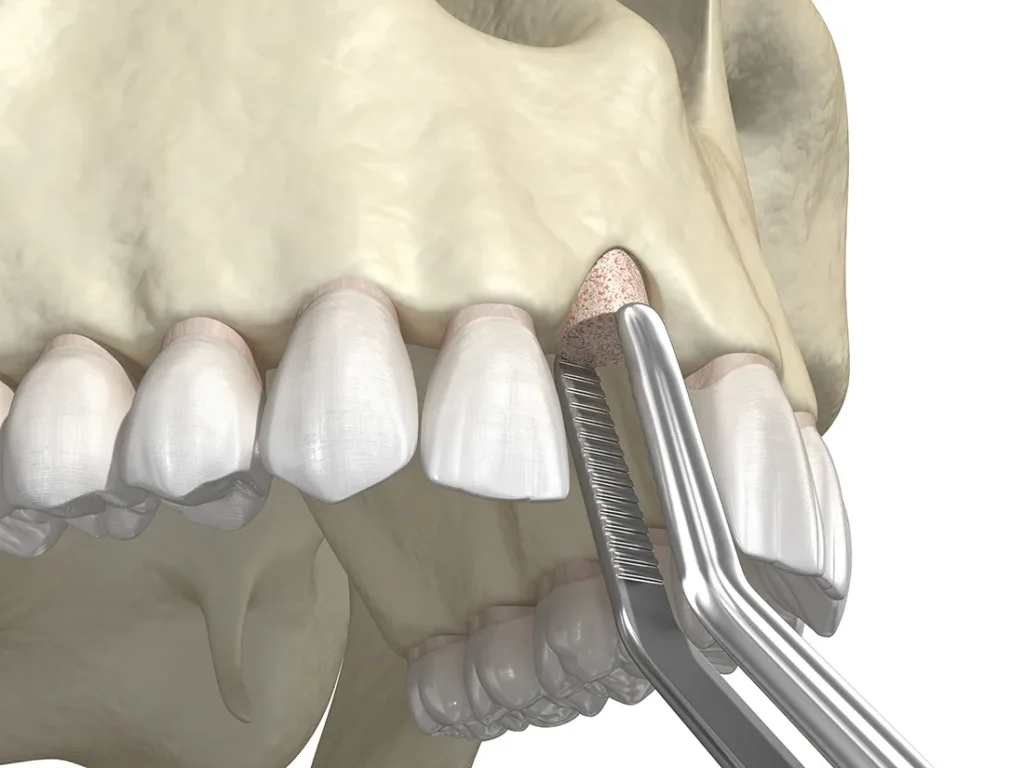
Not every patient missing a tooth needs a bone graft, but several situations make it a common and often necessary step. Patients who have gone a long time without replacing a missing tooth frequently need grafting before dental implants can be placed safely. Those who have had a tooth removed due to infection, trauma, or advanced decay may also need grafting if the surrounding bone was affected.
Patients preparing for multiple implants, or those whose jawbone has simply thinned with age, often benefit from this step as well. During a consultation, Dr. Rose evaluates the bone structure through a combination of clinical exam and digital imaging before determining whether grafting is the right next step for a particular case.
Building up bone volume is not just about preparing for an implant. It also helps preserve the natural shape of the jaw and face, which can otherwise change once significant bone loss occurs. Patients who choose to move forward with grafting are often setting themselves up for a much smoother experience with future procedures like implant crowns or implant-retained dentures.
For patients who are missing a tooth due to advanced decay or damage that could not be saved, grafting may be recommended shortly after an extraction to prevent significant bone loss before it starts. Addressing this early tends to be simpler than trying to rebuild lost bone months or years later.
Bone grafting is performed with local anesthesia to keep patients comfortable throughout the procedure. Depending on the amount of bone needed, graft material may come from the patient’s own body, a donor source, or a synthetic substitute, and Dr. Rose discusses these options honestly so patients understand exactly what is being placed and why.
Recovery time varies depending on the extent of the graft, but most patients can expect some healing time before the site is ready for an implant. Our team walks patients through aftercare instructions clearly, and follow-up visits allow Dr. Rose to monitor how well the graft is integrating before moving forward with the next phase of treatment.
We accept PPO insurance from major carriers, including Delta Dental, Cigna, Aetna, and MetLife, which can help offset the cost of bone grafting and any related restorative work. For patients without insurance, payment plans are available so treatment does not have to be delayed over cost concerns.
No insurance, no problem. Our front desk team is happy to walk through coverage details ahead of time, so patients understand their options clearly before committing to a treatment plan.

Bone grafting might sound like an intimidating extra step, but for many Westchase patients, it is the difference between limited options and a fully restored smile. Dr. Rose brings over a decade of experience and advanced surgical training from his time in the Army to every grafting procedure, ensuring patients receive care built on both skill and genuine attentiveness.
Designing Smiles has earned a 4.9-star reputation in the Westchase community by treating every patient’s concerns as seriously as we would our own family’s, and bone grafting is no exception. If a missing tooth has left you with questions about what comes next, reach out through our contact page so our team can walk through the options together.