
*Special offer valid for patients paying in cash at time of service. New patients only.

Fluoride Treatments In Westchase, FL

Fluoride is one of the most effective tools in preventive dentistry, helping to strengthen tooth enamel and reduce the risk of cavities for patients of all ages. At Designing Smiles in Westchase, fluoride treatments are a simple, quick addition to your regular cleaning that can make a meaningful difference in long-term oral health, especially for patients who are prone to decay or who have areas of weakened enamel.
Locally owned and operated in Westchase
Fluoride varnish or gel added to your cleaning visit
Over a decade of experience, former U.S. Army dentist
PPO insurance accepted, payment plans available

New patients welcome. Call today to ask about fluoride treatments, insurance, and payment plans, or book online anytime.

Brushing and flossing do a lot, but they cannot always keep up with the acids from bacteria, sugary drinks, and snacks that slowly weaken enamel. A fluoride treatment adds a layer of protection to your teeth in just a few minutes, right after your cleaning.

At Designing Smiles, Dr. Ryan Rose and our team offer professional fluoride treatments as part of our preventive dentistry services in Westchase. With over a decade of experience and a degree from the LECOM School of Dental Medicine, Dr. Rose recommends fluoride based on your individual risk rather than as a one-size-fits-all add-on.

How Fluoride Treatments Protect Your Teeth

Fluoride helps remineralize enamel, which strengthens areas that have started to weaken before they turn into cavities that need a filling. Professional treatments use a higher concentration than toothpaste, so they stay on the teeth longer and protect more strongly. The U.S. Preventive Services Task Force recommends fluoride varnish for all children starting when the first teeth appear and found a moderate net benefit in preventing cavities, and adults can benefit too. Reasons your dentist may recommend fluoride include the following:

  • A history of frequent cavities or weakened enamel
  • Dry mouth or gum recession
  • Existing crowns or fillings, because decay can start along their edges

Your dentist looks at your cavity history and daily habits to decide whether fluoride makes sense for you and how often you should have it.

Book Now
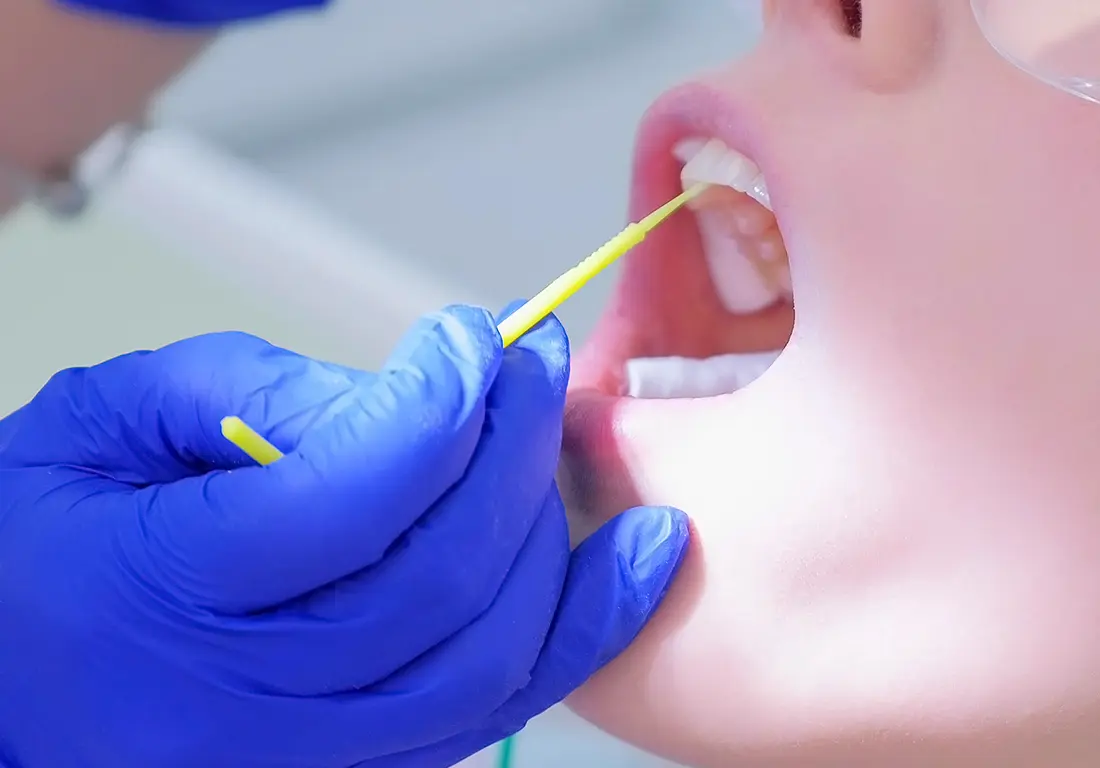
Gloved hand applying fluoride to teeth with a small applicator

Varnish, Gel, or Daily Fluoride at Home?

Fluoride comes in a few forms, and the right one depends on your age and your risk of cavities.

Fluoride Varnish

A varnish is painted onto the teeth with a small brush and sets quickly. It is the form the task force reviewed for young children, and it is also used for older patients at higher risk.

Fluoride Gel

A gel is applied to the teeth after your cleaning. Like varnish, it uses a higher concentration of fluoride than the toothpaste you use at home, which gives your enamel a stronger boost.

Daily Fluoride at Home

Brushing twice a day with fluoride toothpaste is still the foundation of cavity prevention. If you are at higher risk, ask us whether a prescription-strength product could help.

We choose the form that fits your teeth and your age, and we explain what to expect before we begin. If you are not sure which form fits you, your dentist can explain the differences at your visit.

What to Expect During Your Treatment

A fluoride treatment takes only a few minutes and fits into your regular cleaning visit.

1
Cleaning First

Your cleaning comes first, so the fluoride can reach clean tooth surfaces.

2
Fluoride Applied

We apply a fluoride varnish or gel to your teeth, which takes only a few minutes.

3
Aftercare

Most patients are asked to avoid eating or drinking for about 30 minutes afterward so the fluoride can absorb.

Fluoride is part of our broader preventive care, alongside dental cleanings, dental sealants, and digital X-rays. Keeping small problems from becoming bigger ones is always the goal, and because the treatment is quick, it rarely adds much time to your appointment.

Who Benefits From Fluoride Treatments

Fluoride is often linked with children's dentistry, but it can help patients at many ages.

Children

Cavities are the most common chronic disease in children, and fluoride varnish can help protect teeth as soon as they come in. Our pediatric dentistry page explains how we care for younger patients.

Adults at higher risk

Adults with a history of frequent cavities, dry mouth, gum recession, or existing dental work may benefit from professional fluoride.

Patients with braces

Brackets and wires can make it harder to clean every surface, which may raise cavity risk, so fluoride can be a helpful extra step for patients in braces.

Fluoride works best alongside brushing, flossing, and limiting sugary snacks and drinks, and it is not a substitute for any of them. If you are not sure whether fluoride fits you, ask at your next visit and we can walk through your risk together.

Paying for Fluoride Treatments

Coverage for fluoride treatments varies by plan, and some plans limit them by age or frequency. We accept a range of PPO insurance plans, including Delta Dental, Cigna, Aetna, and MetLife, and checking your benefits before you book can prevent surprises.

For patients without insurance, payment plans are available. No insurance, no problem. We would rather talk through the cost with you up front than have you skip protection that could help you avoid a cavity.

Coverage varies by plan
PPO insurance accepted
Payment plans available
No insurance, no problem

Fluoride Treatment Questions

Here are answers to common questions about fluoride treatments.

Is professional fluoride safe?
Fluoride varnish and gel are used in small amounts and applied by a dental team. A review by the U.S. Preventive Services Task Force found that harms from fluoride varnish in young children were no greater than small, and four trials found no difference in side effects compared with no varnish.
How often should I have a fluoride treatment?
It depends on your risk. The American Dental Association's clinical recommendations call for professionally applied fluoride varnish or gel every three to six months for people at elevated risk of cavities, and your dentist can tell you what schedule fits you.
Do adults need fluoride treatments?
Many adults do not need one at every visit, but adults with frequent cavities, dry mouth, gum recession, or existing dental work may benefit. We recommend fluoride based on your situation.
Can I eat or drink after a fluoride treatment?
Most patients are asked to avoid eating or drinking for about 30 minutes afterward so the fluoride can absorb. We will tell you exactly what to do before you leave.
Does my drinking water have fluoride?
Fluoride levels in drinking water vary by community and can change over time. Your local water utility can tell you what is in your tap water, and the CDC offers a tool called My Water's Fluoride that lets you look up your water system. Share what you find so we can factor it into your plan.
Does a fluoride treatment replace brushing?
No. Treatments add protection on top of brushing twice a day with fluoride toothpaste, flossing daily, and regular cleanings.

Schedule Your Fluoride Treatment at Designing Smiles in Westchase, FL

Dr. Ryan Rose earned his Doctor of Dental Medicine from the LECOM School of Dental Medicine, completed an Advanced Education in General Dentistry residency, and served as a dentist in the U.S. Army. With more than a decade of experience, he helps patients prevent problems before they start, and patients rate our practice 4.9 stars on Google.

We accept a range of PPO insurance plans and offer payment plans for patients without coverage. If you would like to add fluoride to your next cleaning, contact our office to schedule your visit.