
*Special offer valid for patients paying in cash at time of service. New patients only.

Dental Sealants In Westchase, FL

Ready to protect your smile from unnecessary decay? Dental sealants offer a proven preventive solution that helps adults maintain optimal oral health and avoid costly treatments down the road.

Locally owned and operated in Westchase
Quick sealant visits for children and adults
Over a decade of experience, former U.S. Army dentist
PPO insurance accepted, payment plans available

New patients welcome. Call today to ask about dental sealants, insurance, and payment plans, or book online anytime.

The chewing surfaces of your back teeth are covered in deep grooves, and those grooves can trap food and bacteria that a toothbrush has a hard time reaching. A dental sealant is a thin protective coating that covers those grooves, so decay has a harder time getting started.

At Designing Smiles, Dr. Ryan Rose and our team offer dental sealants for children and adults as part of our preventive dentistry services in Westchase. With over a decade of experience and a degree from the LECOM School of Dental Medicine, Dr. Rose recommends sealants based on your teeth and your cavity risk rather than as an automatic add-on.

How Dental Sealants Protect Your Teeth

The Centers for Disease Control and Prevention explains that a sealant acts as a barrier on the chewing surfaces of the back teeth, and that sealants can prevent up to 80 percent of cavities for two years and continue to protect against 50 percent of cavities for up to four years when they are applied soon after the permanent molars come in. Sealants can be especially helpful for the following people:

  • Children and teens whose permanent molars have recently come in
  • Adults who are prone to cavities
  • Anyone with deep grooves in the back teeth that trap food and bacteria

Sealants are not only for kids. The CDC notes that adults aged 20 to 34 have more untreated cavities in their back teeth than any other age group, which is one reason adults may benefit too. A quick look at the grooves in your back teeth during your exam can help us decide whether sealants make sense for you.

Book Now
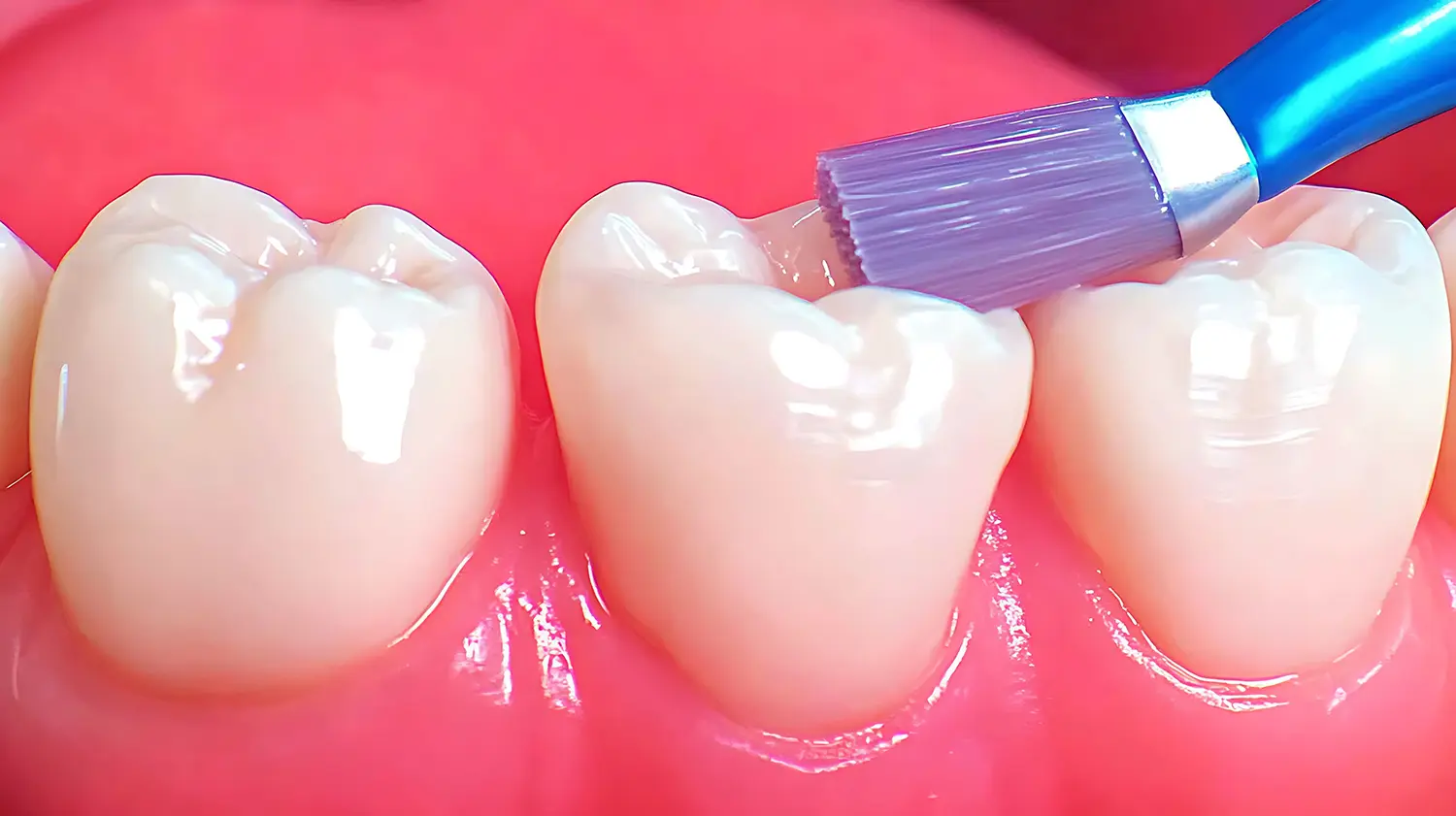
Close-up of a small brush painting sealant onto the chewing surface of a back tooth

Who Can Get Dental Sealants?

Sealants can protect teeth at many ages, and the right timing depends on the tooth.

Children and Teens

Sealants work most effectively soon after permanent molars come in, which is around age 6 for the first molars and around age 12 for the second molars.

Baby Teeth

The CDC notes that sealants can also be placed on baby teeth starting around age 2, depending on the child's teeth and cavity risk.

Adults

Adults who are prone to cavities or have deep grooves in their back teeth can benefit, especially on teeth that do not already have fillings in those grooves.

Your dentist checks your teeth and your cavity history to decide whether sealants make sense. If your child is due for a checkup, our pediatric dentistry page explains how we care for younger patients, and our team can explain the timing for your child's molars so you know what to expect.

What to Expect During Treatment

Applying sealants is a quick process, and it is generally painless because the coating is painted on the surface of the tooth.

1
Clean and Dry

The chewing surface of the tooth is cleaned and dried so the sealant can stick well.

2
Sealant Painted On

A thin coating is painted onto the grooves of the tooth.

3
Hardened

A light is often used to harden the sealant, or it may be left to set on its own.

After sealants are placed, the CDC says patients can eat and drink as usual, and we will tell you if anything special applies to you. Sealants are one part of our broader preventive care, alongside fluoride treatments and dental cleanings. Keeping small problems from becoming bigger ones is always the goal.

Caring for Your Sealants

Sealants add protection, and a few habits help them do their job.

Keep brushing and flossing

Sealants protect the chewing surfaces, but the sides of your teeth and your gums still need daily brushing and flossing.

Keep up with checkups

Sealant protection can decrease over time, so we check them at your routine visits and let you know if one needs attention.

Go easy on hard objects

Chewing ice, hard candy, or pens may chip a sealant, so it helps to avoid those habits.

If a sealant chips or wears away, we can often repair or replace it. Tell us at your next visit if you notice a rough spot on a back tooth. Regular cleanings also give our team a chance to spot early signs of wear.

Paying for Dental Sealants

Coverage for sealants varies by plan, and some plans limit them by age or by tooth. We accept a range of PPO insurance plans, including Delta Dental, Cigna, Aetna, and MetLife, and checking your benefits before you book can prevent surprises.

For patients without insurance, payment plans are available. No insurance, no problem. We would rather talk through the cost with you up front than have you skip protection that could help you avoid a cavity.

Coverage varies by plan
PPO insurance accepted
Payment plans available
No insurance, no problem

Dental Sealant Questions

Here are answers to common questions about dental sealants.

Do dental sealants hurt?
Applying sealants is a quick process, and it is generally painless because the coating is painted on the surface of the tooth. Tell us if you feel any discomfort during your visit.
How long do sealants last?
Sealants can last for many years. The CDC notes that they protect against 80 percent of cavities for two years and continue to protect against 50 percent of cavities for up to four years, which is why we check them at routine visits.
Can adults get dental sealants?
Yes. Sealants are not just for children, and adults who are prone to cavities or have deep grooves in their back teeth may benefit.
Can I eat after getting sealants?
The CDC says patients can eat and drink as usual after sealants are applied. We will tell you if anything special applies to your visit.
Which teeth get sealants?
Sealants go on the chewing surfaces of the back teeth, where decay often starts. The CDC notes that 9 in 10 cavities occur in the back teeth.
Do sealants replace brushing and fluoride?
No. Sealants add protection on top of brushing twice a day with fluoride toothpaste, flossing daily, and regular cleanings.

Schedule Your Dental Sealant Visit at Designing Smiles in Westchase, FL

Dr. Ryan Rose earned his Doctor of Dental Medicine from the LECOM School of Dental Medicine, completed an Advanced Education in General Dentistry residency, and served as a dentist in the U.S. Army. With more than a decade of experience, he helps patients prevent problems before they start, and patients rate our practice 4.9 stars on Google.

We accept a range of PPO insurance plans and offer payment plans for patients without coverage. If you would like to ask about sealants for yourself or your child, contact our office to schedule your visit.