
*Special offer valid for patients paying in cash at time of service. New patients only.

Root Canal Therapy
In Westchase, FL

Don’t let the myths fool you. Modern root canal therapy is designed to relieve tooth pain, restore your oral health, and potentially save your natural tooth.

Locally owned and operated in Westchase
Root canals performed in-house by Dr. Ryan Rose
Over a decade of experience, U.S. Army dentist and current Army reservist
PPO insurance accepted, payment plans available

New patients welcome. Call today to ask about root canal therapy, insurance, and payment plans, or book online anytime.

A toothache that won't ease up, especially one that throbs at night or flares when you bite down, is often a sign the nerve inside your tooth has become inflamed or infected. Left untreated, that infection can spread, threaten the surrounding bone, and eventually cost you the tooth altogether. Root canal therapy can stop that process where it starts by removing the damaged tissue, so the tooth may stay right where it belongs.

At Designing Smiles, we treat root canals as a way to protect your smile, not something to dread. Our team in Westchase walks you through every step so you know what's happening and why, and we focus on keeping you comfortable from the first numbing shot to the final restoration. Patients who feel anxious can ask about our sedation dentistry options, which include oral and nitrous sedation. If you're dealing with restorative dentistry needs beyond a root canal, we can address those under one roof as well.

What Causes the Need for Root Canal Therapy?

Deep decay, a cracked tooth, or an old filling that's failed can all let bacteria reach the soft tissue, called pulp, inside a tooth. Once that pulp becomes infected, the body can't heal it on its own, and the infection tends to worsen with time. A few common warning signs include the following:

  • Lingering sensitivity to hot or cold that doesn't fade quickly
  • Swelling or tenderness near the gum around a specific tooth
  • A dull ache that comes and goes before settling into constant pain

Trauma from an accident or sports injury can cause the same kind of internal damage, even if the outside of the tooth looks fine. If any of these symptoms sound familiar, it's worth having the tooth checked before the problem grows into something more serious.

Book Now
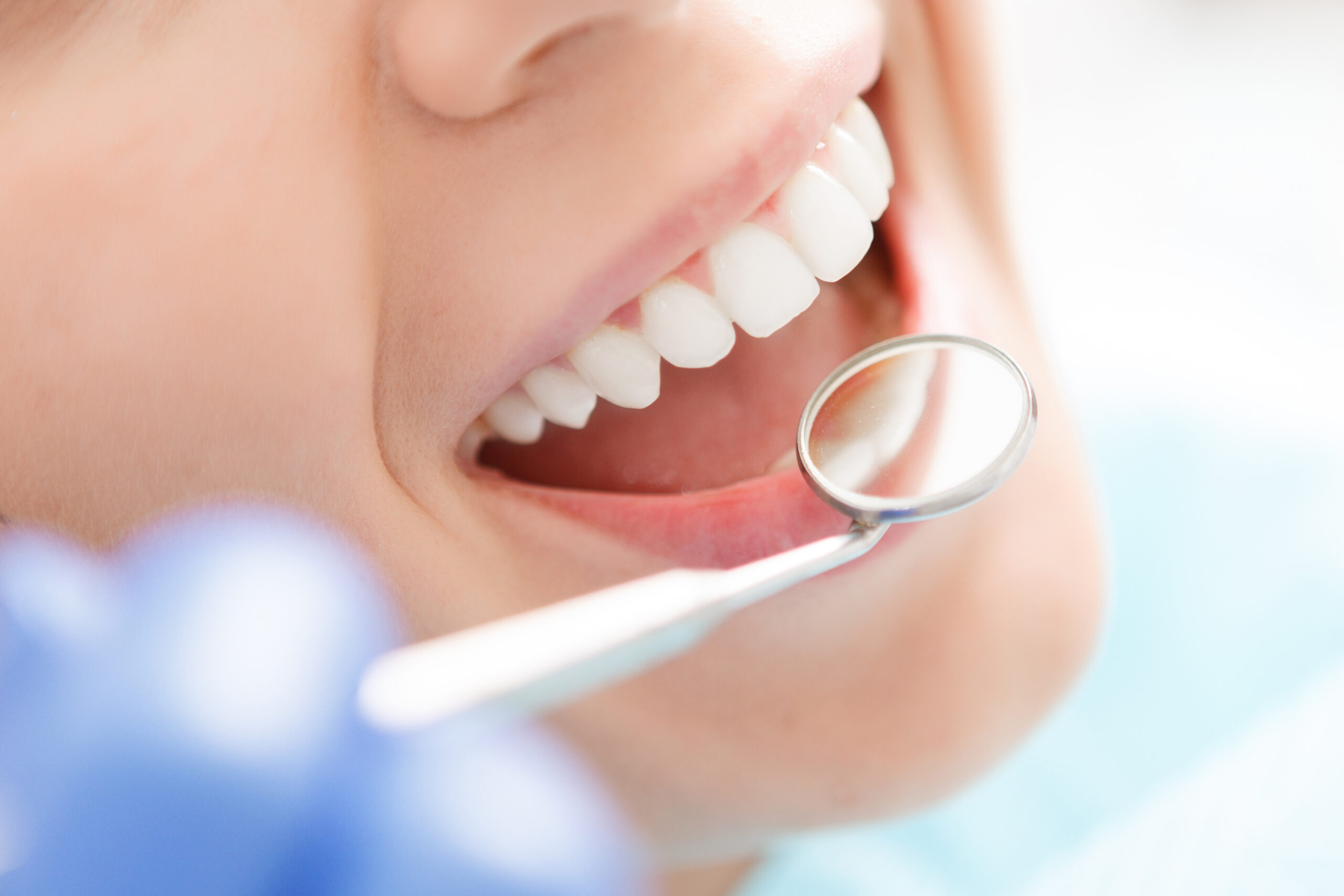
Patient smiling during a dental exam with a mouth mirror

What to Expect During the Procedure

Most patients are surprised at how manageable the appointment feels compared to what they expected going in.

1
Numb the Area

Once we confirm a tooth needs treatment, we numb the area thoroughly so you're comfortable throughout.

2
Clean the Canals

We create a small opening to access the inner chamber of the tooth, remove the infected or inflamed pulp, and clean out the canals to eliminate bacteria.

3
Seal the Tooth

After the space is disinfected, we fill it with a biocompatible material to seal it against future infection.

A tooth that has undergone root canal therapy will usually need a crown or filling afterward to restore its strength, because the procedure removes the pulp but not the outer structure of the tooth. We can typically schedule that follow-up restoration, such as a dental crown, soon after the root canal itself so the tooth is fully protected without unnecessary delay.

Why Westchase Patients Choose Root Canal Therapy Over Extraction

Saving a natural tooth often serves you better long term than removing it. An extracted tooth needs to be replaced to prevent shifting, bite problems, and bone loss in the jaw, which usually means more time, more visits, and more cost down the road. A retrospective study of 176 root canal-treated teeth and 145 single-tooth implants at one institution, published in the Journal of Pharmacy and Bioallied Sciences, reported a combined success and survival rate of 93.75 percent for root canal-treated teeth, compared with 91.72 percent for implants, over roughly two years. Because the follow-up was short and the study came from a single center, we view it as supportive evidence that root canal therapy can be a reliable way to keep your natural tooth, not as a guarantee.

When a tooth can't be saved

There are cases where a tooth is too damaged to save, and in those situations we'll walk you through options like an extraction and what comes next.

When pain can't wait

Pain that comes on suddenly or swelling that spreads shouldn't wait for a routine visit, and we make room for emergency dental appointments when a tooth needs attention right away.

What Sets Root Canal Therapy at Designing Smiles Apart?

We keep a wide range of restorative and general dental care under one roof at our Westchase practice, so a root canal doesn't mean being referred out to a separate office for the follow-up work your tooth needs. That kind of continuity matters when you're already dealing with tooth pain and want fewer appointments, not more.

We also know dental costs are a real concern, which is why we accept a range of PPO insurance plans and offer payment plans for patients without coverage. No insurance, no problem. We'd rather you get the care your tooth needs now than put it off over cost concerns that we may be able to help you work through.

Restorative and general care under one roof
PPO insurance accepted
Payment plans available
No insurance, no problem

What Does Recovery Look Like After a Root Canal?

Some tenderness for a few days is normal as the area heals, and sensitivity when biting is common. According to the American Association of Endodontists, most cases improve within about three to five days, and the group advises avoiding biting on the treated tooth until a crown or permanent filling is in place. Over-the-counter pain relievers and a brief cold compress on the outside of the cheek may help in the meantime.

Call us if you have severe pain or pressure, swelling, or discomfort that lasts beyond a few days. If you are still weighing whether treatment will hurt, our blog post on whether a root canal hurts walks through what patients can expect.

Root Canal Questions

Here are answers to common questions about root canal therapy.

Does a root canal hurt?

Modern root canal treatment is designed to relieve tooth pain, not cause it. We numb the tooth and the surrounding area first, so most patients feel pressure or movement rather than pain, and you can tell us at any point if something does not feel right.

How long does recovery take after a root canal?

Mild tenderness for a few days is common, and most cases improve within about three to five days. Call us if you have severe pain, swelling, or discomfort that continues beyond a few days.

Do I need a crown after a root canal?

Many treated teeth, especially back teeth, benefit from a crown or a permanent filling because the tooth can be more fragile after the pulp is removed. Dr. Rose will tell you what he recommends for your tooth after reviewing your X-rays.

Is it better to save a tooth or have it removed?

Saving a natural tooth is often preferred when it is possible, because it keeps your own bite in place. In some cases the tooth is too damaged to restore, and extraction followed by a replacement option is the better choice. We review your X-rays and explain both paths.

Do you accept insurance for root canals?

We accept a range of PPO insurance plans, and coverage varies by plan, so it helps to check your benefits. For patients without insurance, payment plans are available, and our approach is no insurance, no problem.

Root Canal Therapy From Designing Smiles

A tooth that’s aching or sensitive to temperature deserves a look before the problem grows into something bigger. Our team keeps care personal and straightforward, whether that means saving a tooth with root canal therapy, protecting it afterward with a crown, or simply answering your questions so you know what to expect. We built this practice to feel like a place where patients of all ages get comprehensive care without being bounced between offices.

If you’re in Westchase and dealing with tooth pain that won’t let up, reach out and let us take a look before it turns into something more serious. You can contact our office to schedule a visit and get started on relief.